

Orbital Refueling Systems
Extending mission range, reducing cost, and redefining space logistics through in-space propellant transfer and orbital depot infrastructure.
Redefining Mission Architecture
Traditional missions are bound by the fuel they carry from Earth. Our orbital refueling infrastructure changes that equation — enabling long-duration missions, multi-orbit maneuvers, and return journeys through in-space fuel transfer. With propellant depots in Low Earth Orbit (LEO) and cislunar space, our architecture supports reusable launch vehicles, lunar cargo missions, and deep-space exploration at lower cost and greater flexibility.
Key Advantages
- 🚀 Massively Extends Range: Beyond-LEO missions no longer limited by launch fuel mass.
- 🔁 Enables Vehicle Reuse: Trishul and PADMA can perform round-trips and orbital restarts.
- 🛰️ Modular Depot Design: Flexible interface standards for fuel, cryogenics, and docking.
- ♻️ Reduces Launch Costs: Payloads are launched dry and fueled in orbit, reducing lift mass.
- 🌕 Supports Lunar Logistics: Cislunar orbit refueling for cargo and crewed landers.
Technical Overview
Fuel Types Supported
- Liquid Oxygen (LOX)
- Liquid Methane (LCH4)
- Liquid Hydrogen (LH2) – with advanced insulation and boil-off control
Docking & Transfer
- Soft-dock and hard-dock capable
- Standardized cryogenic umbilicals
- Autonomous and assisted fluid transfer
Depot Architecture
- Pressurized & unpressurized tank modules
- Thermally regulated shadow-mounted tanks
- In-orbit boil-off management
Renderings & Concept Demonstration

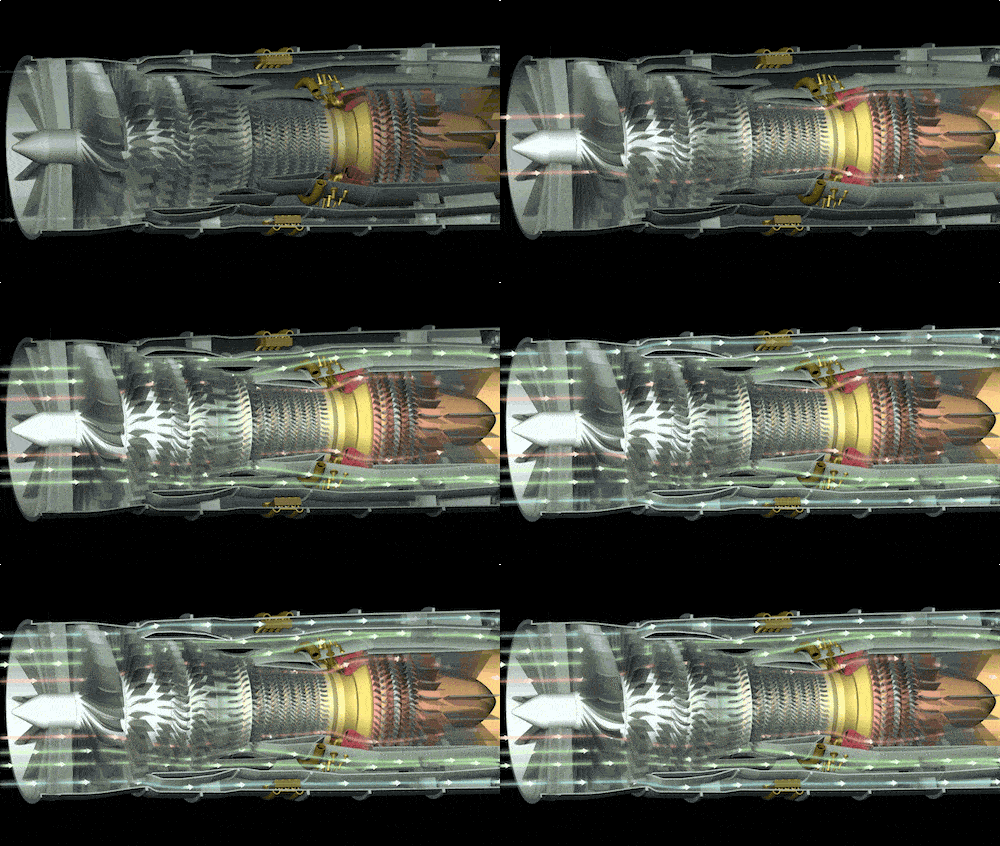
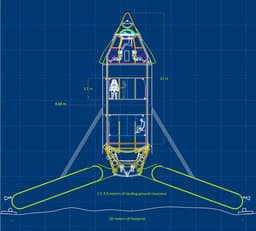
Concept rendering: Modular Orbital Depot with Trishul and PADMA interfaces

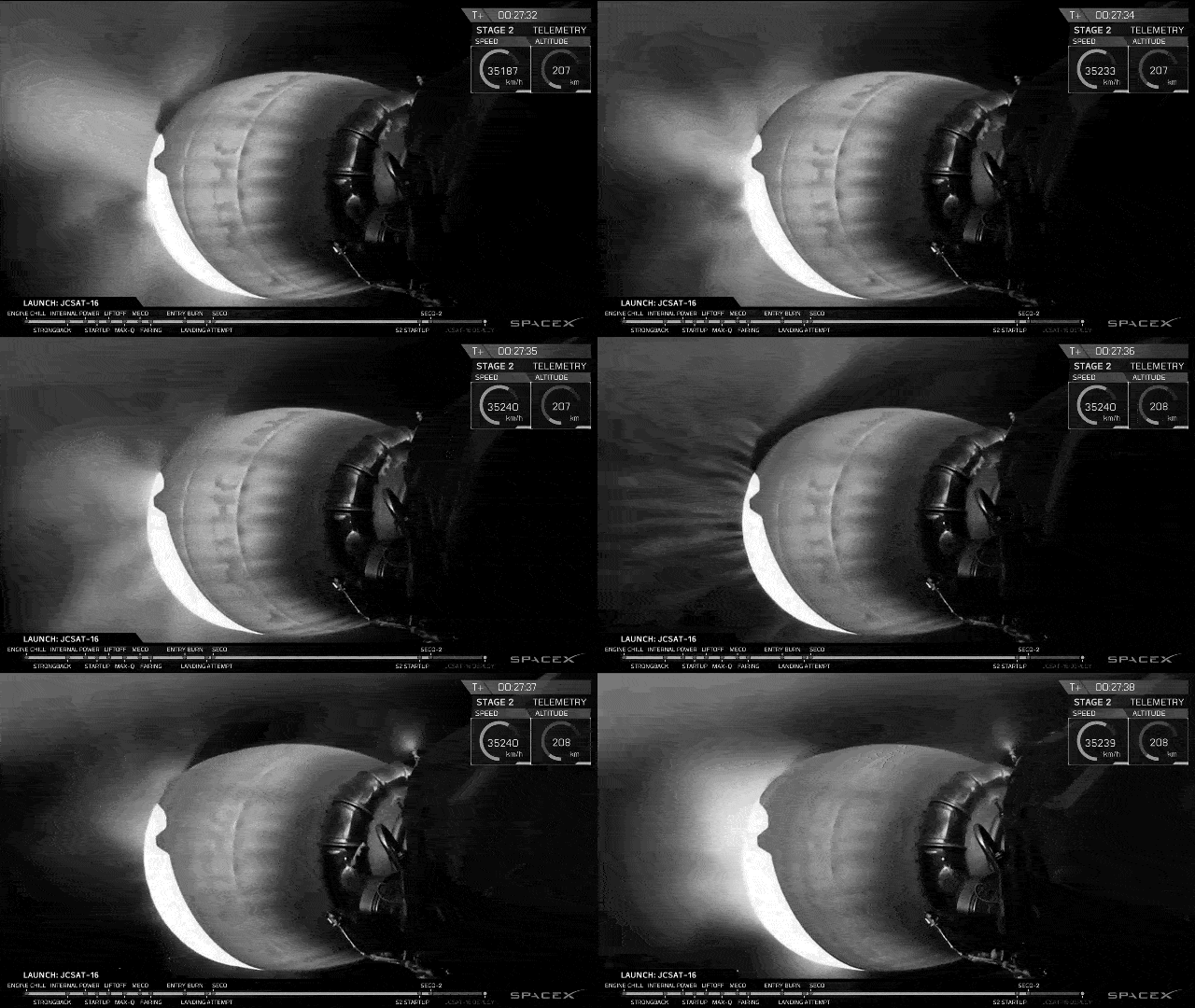
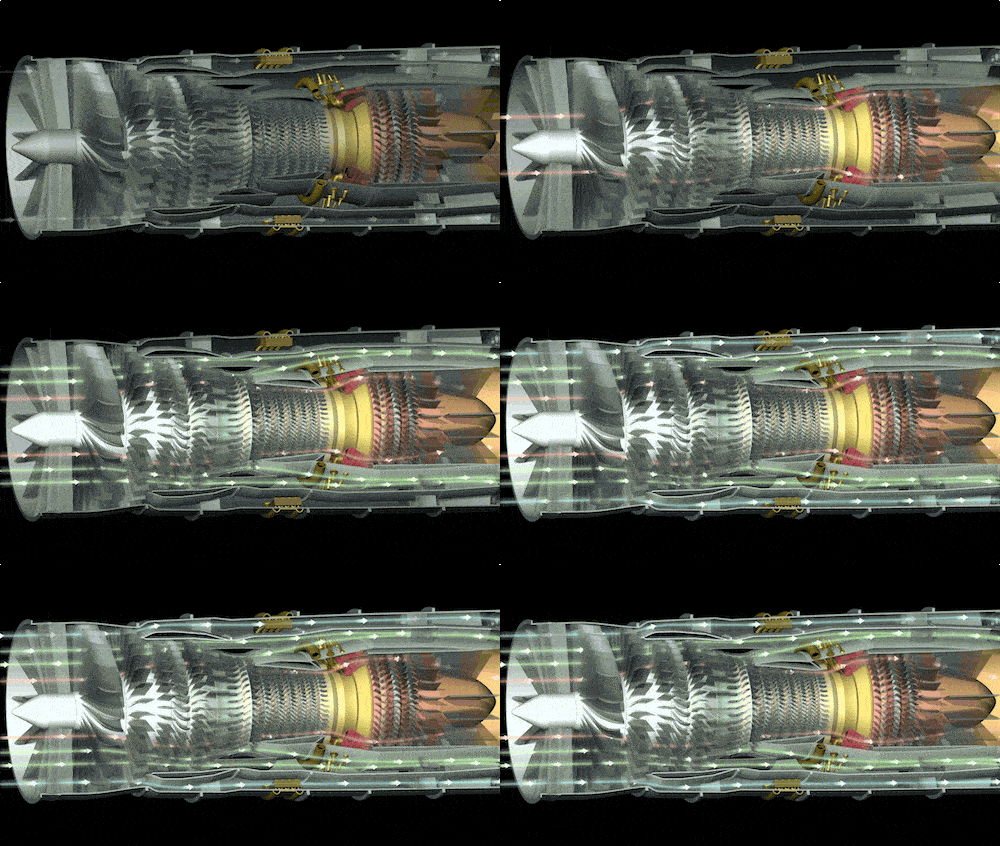
Simulation: Autonomous fluid transfer sequence between depot and Trishul upper stage

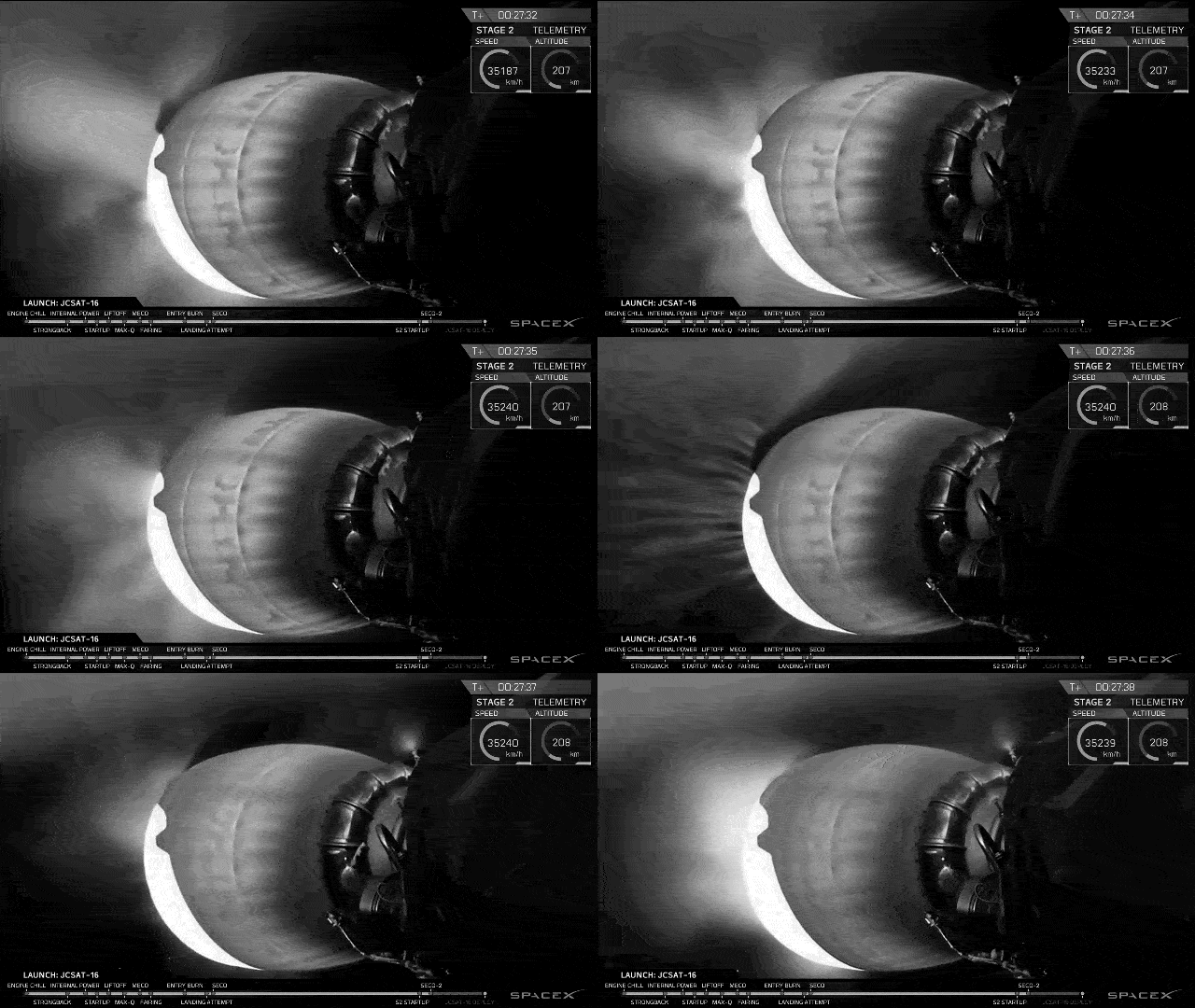
Lunar Gateway-compatible depot for lunar orbit refueling missions
Use Case Scenarios
- 🛰️ Reusable crew shuttles with refuelable return stages
- 🌖 Lunar lander top-ups before descent or return
- 🚀 Dry-mass heavy payload launches with in-orbit fueling
- 🛠️ Pre-deployment of depot modules before crewed missions
- 🪐 Future deep-space mission staging via depot chains
Development Roadmap
- Phase 1: Fluid transfer testbed validation (Completed)
- Phase 2: Microgravity propellant dynamics simulation (Ongoing)
- Phase 3: In-orbit LOX-Methane depot prototype launch (Planned)
- Phase 4: Cislunar depot integration with PADMA (Target: 2027)
Empowering a Refueled Space Economy
Orbital refueling is not a feature — it’s a foundation. As we move from launch-based access to orbital permanence, our systems aim to turn space travel into infrastructure-driven logistics. Gatkul Aerospace is building the pipes of the space economy — one transfer, one mission, one future at a time.